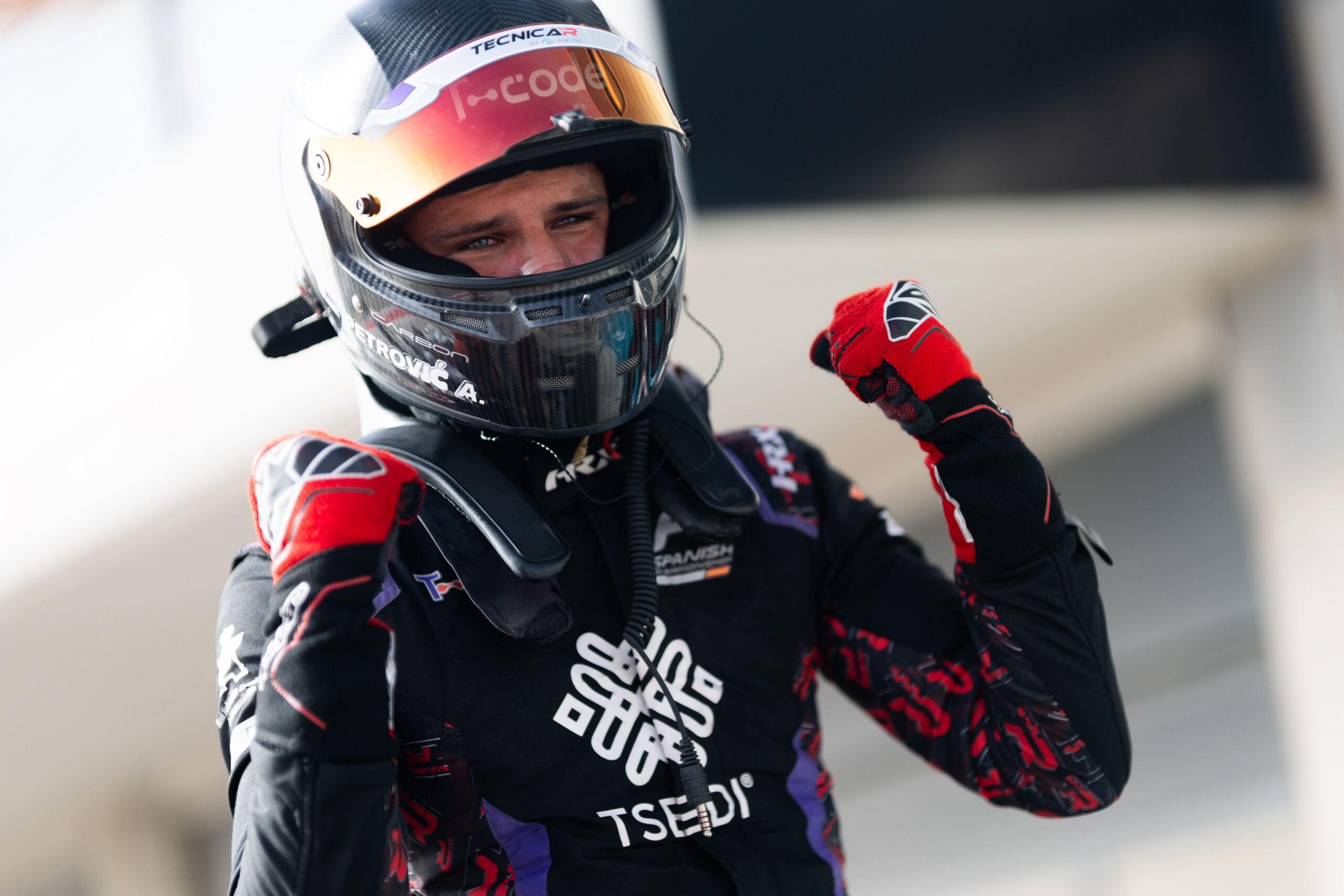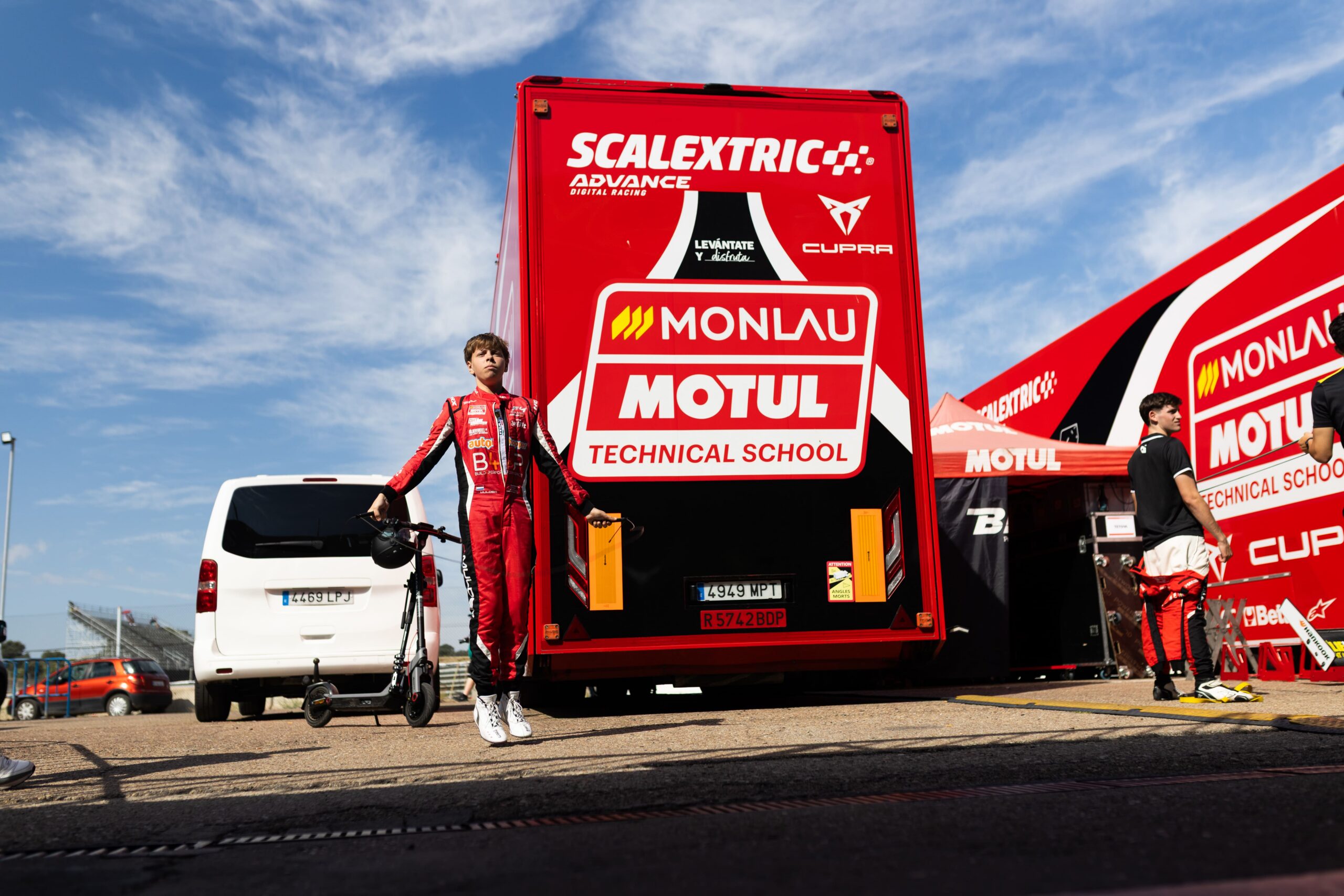
Every driver on the Formula 1 grid started somewhere far from the cameras and the champagne. Most of them started in karts, racing on club circuits with nothing but a helmet, a stopwatch, and a dream. The distance between that starting point and a seat in F1, F2, IndyCar, or Formula E is enormous — not just in speed, but in racecraft, mental discipline, and professionalism. Closing that distance, season after season, is what the F4 Spanish Championship exists to do.
The problem F4 was designed to solve
Karting teaches raw racing instinct, but it doesn’t teach a driver how to manage a 160-horsepower single-seater, work with race engineers, analyse telemetry, or perform under the scrutiny of scouts from professional teams. Jumping straight from karts into F3 or F2 used to leave a dangerous gap — drivers arrived under-prepared, and teams had no reliable way to judge who was actually ready.
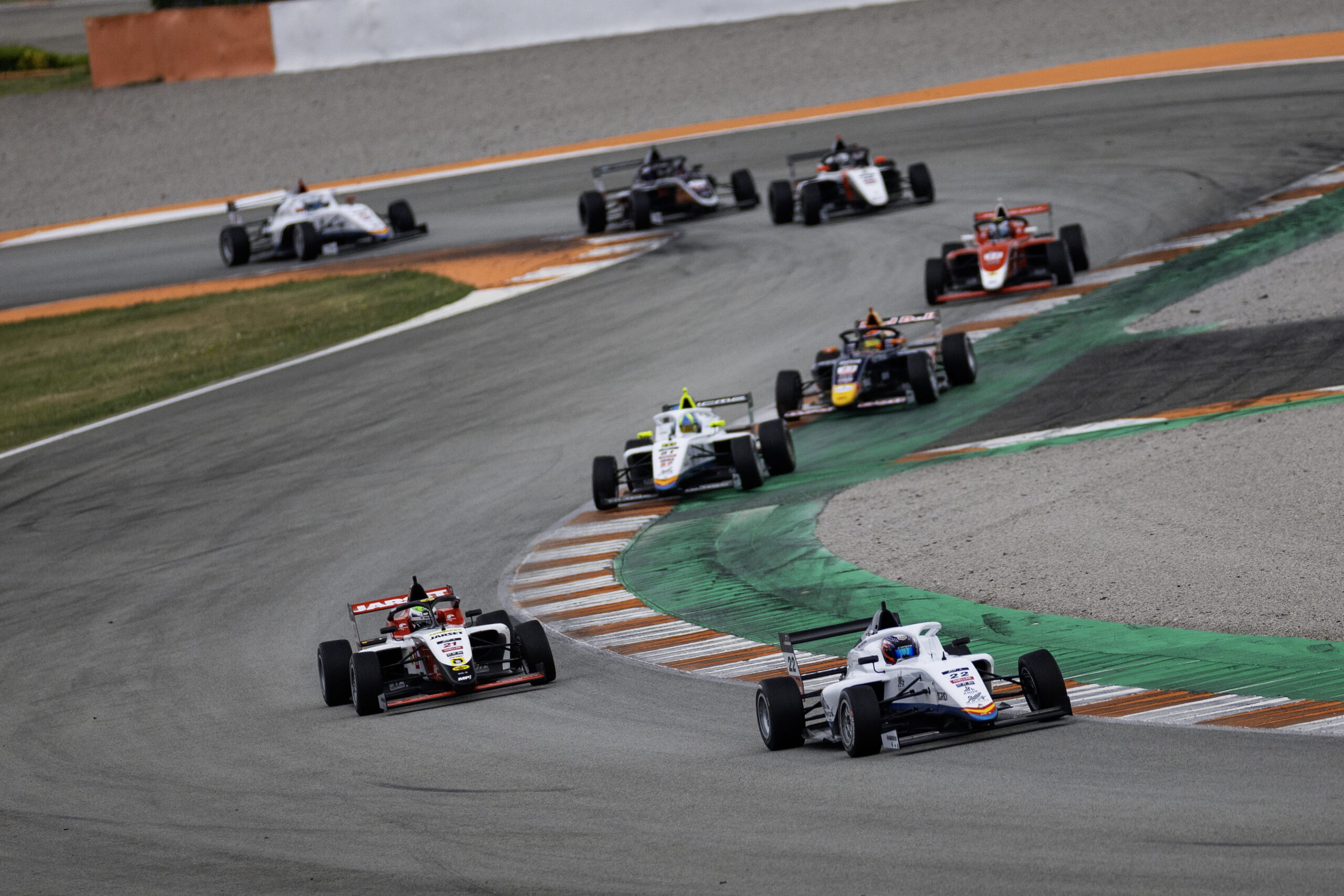
F4 was created to fill that gap, and it’s a responsibility we take seriously. Using a standardised, cost-capped chassis and a controlled technical package, the category strips away the variables that money can buy and puts the focus back on what can’t be bought: driving ability, consistency, and the capacity to learn fast. It’s the first rung of the FIA single-seater ladder, and it’s built specifically to be climbable.
A structured first step, not a shortcut
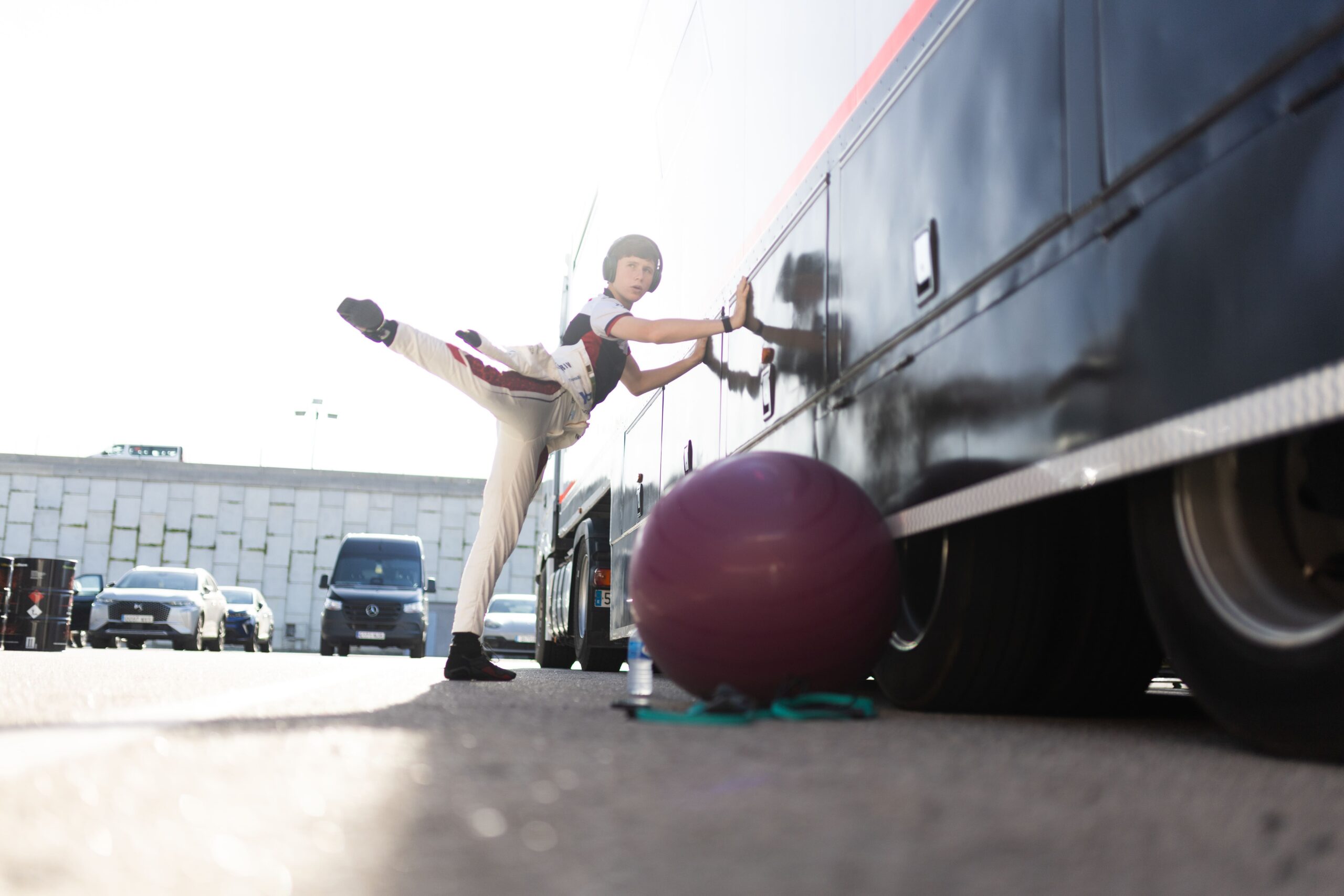
What makes F4 such an effective bridge is that it mirrors the professional world in miniature. Drivers face real qualifying sessions, real strategy calls, real media obligations, and real championship pressure — all while competing on some of the same circuits used by F3, F2, and even F1. They learn to work inside a team structure, take instruction from engineers, and turn raw pace into repeatable results.
The FIA’s Super Licence points system reinforces this step-by-step logic. A F4 title doesn’t hand a driver a golden ticket to F1, but it starts the clock: points earned here count toward the 40 needed over three seasons to even apply for a Super Licence, feeding directly into F3, then F2, then the very top. It’s a pyramid by design, and F4 is the foundation everything else is built on.
The proof is already on the grid
This isn’t theory — it’s a documented pathway. Franco Colapinto won the F4 Spanish Championship in 2019, moved through F3 and F2, and made his Formula 1 debut with Williams in 2024. His route is the clearest possible illustration of what this championship is for: not just a place to race, but a place to be discovered, developed, and prepared for what comes next.
He’s not racing in isolation, either. Professional outfits like Campos Racing and Mp Motorsport — teams with a presence across the junior single-seater pyramid — choose to compete in our championship precisely because they’re scouting and shaping the next generation. Now marking our tenth anniversary season, we’ve grown from a national series into an international proving ground, welcoming drivers from multiple countries and, from 2026, reaching a global audience through our broadcast partnership with DAZN. It’s a decade we’re proud of, and one we see as just the beginning.
More than one road to the top
It’s worth remembering that F1 isn’t the only destination this pathway serves. The same fundamentals F4 builds — car control, race intelligence, working within a professional team — are exactly what talent scouts in Formula E, IndyCar, and endurance racing (WEC) look for as well. A strong F4 season opens doors across motorsport’s elite tiers, not just one of them. For a young driver, that versatility matters: it means the discipline learned here pays off no matter which branch of the pyramid they ultimately climb.
Why the bridge matters
Talent alone has never been enough to reach the top of motorsport. What separates the amateurs who stay amateurs from the professionals who make it is exposure to real competitive pressure, at the right time, in the right environment. That’s the gap F4 exists to bridge — turning karting talent into race-ready professionals, one season, one circuit, and one Super Licence point at a time.
For the next generation of drivers dreaming of F1, or any of motorsport’s elite championships, the road doesn’t start on the grid in Bahrain or Monza. It starts here — and we’re proud to be the ones who help pave the way.